How to Write an Invoice That Gets Paid Faster
Learn the essential elements of a professional invoice and simple tricks to improve your cash flow.
1 min read
Qyri Team
Getting paid on time is the lifeblood of any small business. Yet, many freelancers and business owners treat invoicing as an afterthought.
A well-crafted invoice not only looks professional but also reduces friction for your clients, making it easier for them to pay you quickly.
1. Keep It Clear and Concise
Your client shouldn't have to squint or search to find the total amount due or the payment deadline. Make sure these key details are prominent:
- Total Amount Due: Bold and clear.
- Due Date: Specific date (e.g., "Due on October 15, 2024") rather than vague terms like "Due in 30 days."
- Payment Methods: How can they pay you? Bank transfer details, payment links, or instructions should be easy to find.
2. Itemize Your Services
Don't just write "Consulting Services - $500." Break it down.
"Web Design Project - Homepage Mockup: $200" "Web Design Project - Mobile Responsive Layout: $300"
Transparency builds trust. When clients see exactly what they enter paying for, they are less likely to dispute the bill.
3. Brand Your Invoices via Qyri
Sending a generic text file looks amateur. Use Qyri to create branded invoices with your logo and colors. It signals that you are an established professional.
4. Send Immediate Invoices
Don't wait until the end of the month if you finish the project on the 2nd. Send the invoice while the value you provided is fresh in your client's mind.
5. Follow Up Politely
If the due date passes, send a friendly reminder. Qyri can automate this for you, saving you the awkwardness of chasing payments manually.
By implementing these simple changes, you can significantly reduce your days sales outstanding (DSO) and keep your cash flow healthy.
Related Content

How to Build a Sales Pipeline for a Small Business
A sales pipeline turns a messy list of prospects into a repeatable process. Here's how to design one that fits a small business — stage by stage — without over-complicating it.
Read Article

Lead Management for Small Businesses: A Practical Guide
Capturing leads is easy. Managing them so none fall through the cracks is where most small businesses struggle. This guide covers a simple, repeatable lead management process.
Read Article
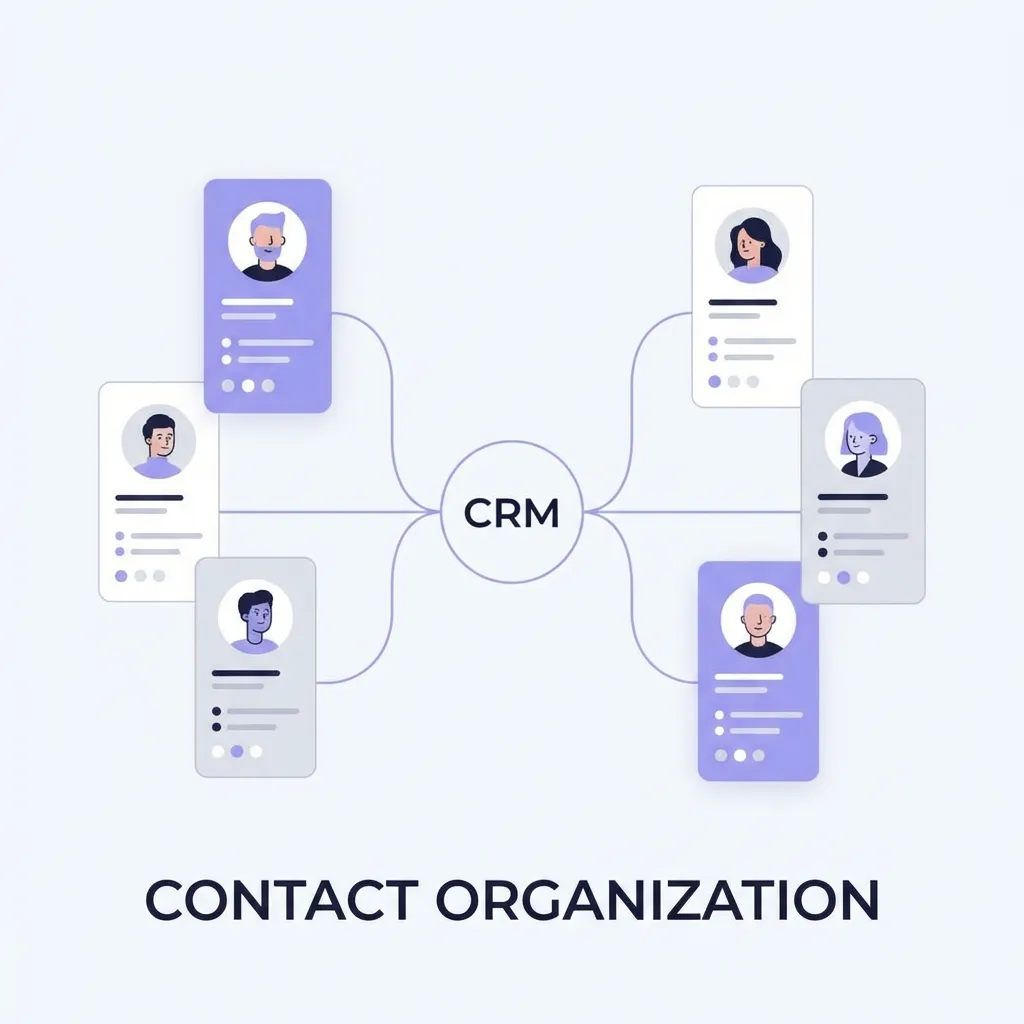
CRM vs Spreadsheet: When Your Business Has Outgrown Excel
Spreadsheets are where every business starts tracking customers — and where many quietly start losing them. Here's how to tell when it's time to move from a spreadsheet to a CRM.
Read Article
Qyri Team
Published on