
InvoicingSep 25, 20265 min read
When does a freelancer or small business actually need invoicing software?
When should freelancers and small businesses move beyond Word, spreadsheets and basic invoice templates to proper invoicing software?
Qyri Blog
Guides on invoicing, cash flow, inventory, CRM and accounting — written for small business owners and freelancers.
When should freelancers and small businesses move beyond Word, spreadsheets and basic invoice templates to proper invoicing software?

A sales pipeline turns a messy list of prospects into a repeatable process. Here's how to design one that fits a small business — stage by stage — without over-complicating it.

Capturing leads is easy. Managing them so none fall through the cracks is where most small businesses struggle. This guide covers a simple, repeatable lead management process.
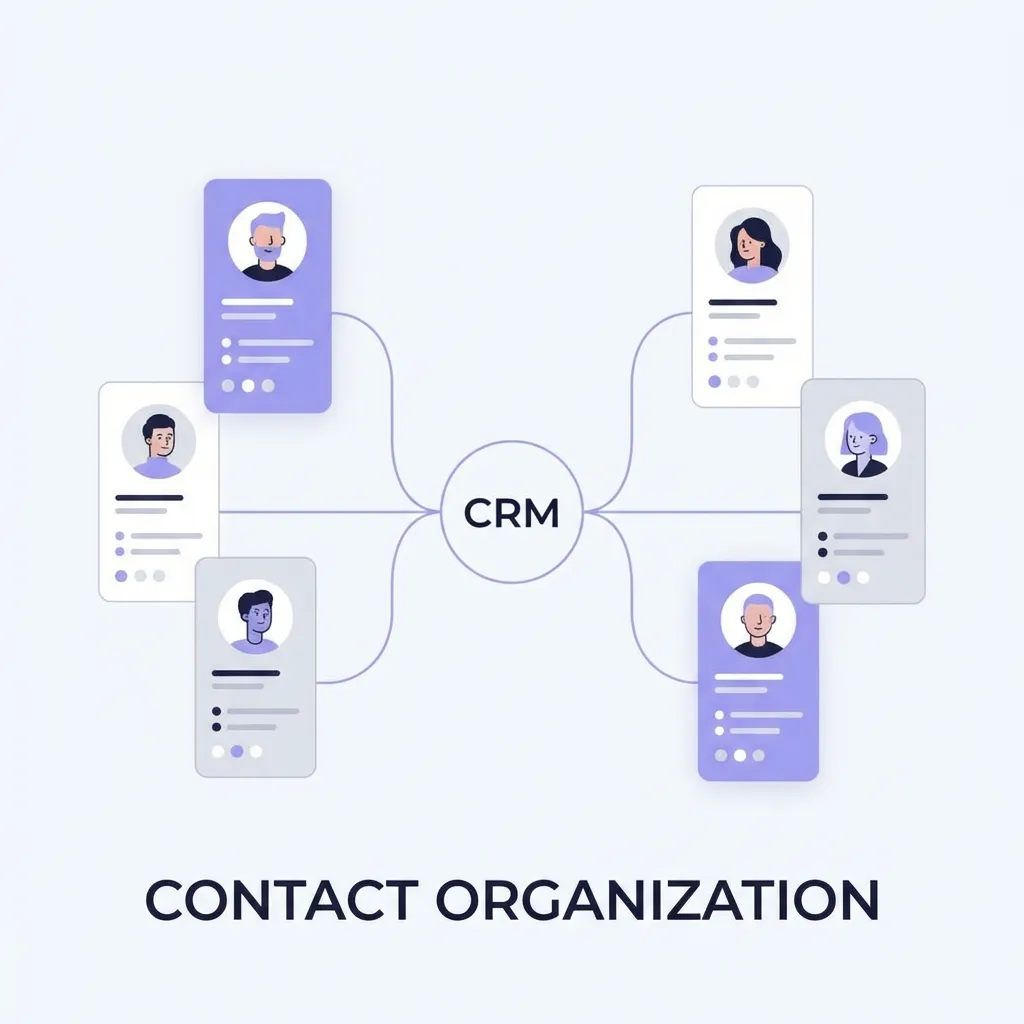
Spreadsheets are where every business starts tracking customers — and where many quietly start losing them. Here's how to tell when it's time to move from a spreadsheet to a CRM.

Deals aren't usually lost to competitors — they're lost to silence. Here's a simple system for tracking deals and follow-ups so nothing slips through the cracks.

Learn how cloud-based business software helps manage remote teams, coordinate tasks, and maintain communication.

Discover how small businesses can leverage AI tools for invoicing, CRM, inventory management, and customer communication.

Discover how transitioning to automated invoicing software can save hours of manual work, reduce errors, and help you get paid faster.

Retaining customers is cheaper than acquiring new ones. Learn how CRM tools help grow long-term customer relationships through segmentation, interaction tracking, and analytics.

Learn the essentials of inventory management to prevent losses and boost profits. Our guide covers categorization, reorder points, software tracking, and more.

Discover the top invoicing best practices to improve your cash flow. Learn how to send invoices quickly, set clear terms, and get paid faster.

In the early stages of a business, spreadsheets and sticky notes might suffice. But as you grow, centralizing customer data becomes critical for driving growth and maintaining relationships.